
Alert fatigue in mobility ops: making telemetry usable for humans
How to design fleet alerting that operators trust: reduce noise, surface staleness, and turn telemetry into clear actions during peak operations.
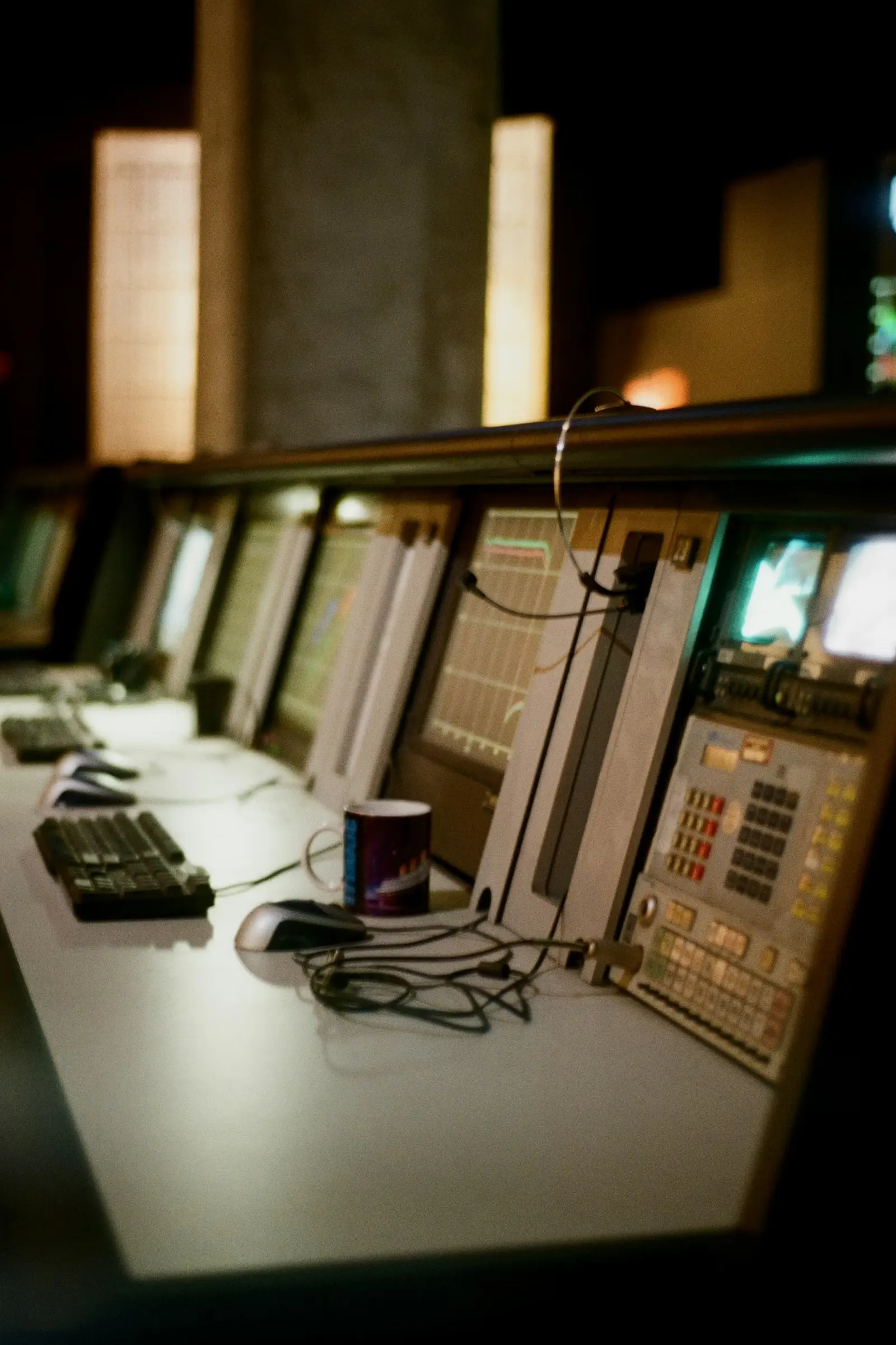
Most mobility operations do not fail because there was no data. They fail because there was too much noise and not enough clarity. When every device, vehicle, app, and backend process can generate events, the system can overwhelm the humans who have to decide what to do next.
Alert fatigue is not a personality problem. It is a design problem. If telemetry creates constant interruptions, people learn to ignore it. If telemetry stays quiet until a crisis, people stop trusting it. The goal is boring reliability: signals that are consistent, explainable, and tied to actions.
When I look at an alerting setup, I am usually less interested in how many alert types exist and more interested in what an operator is supposed to do when one fires. If the answer is vague, the alert is probably noise.
If you want related context, read tracking + telemetry system architecture, IoT device management for mobility operations, and mobility ops metrics and KPIs.
What operators actually need from alerts
Operators do not want more information. They want fewer decisions. The best alerting tells them three things: what changed, how confident we are, and what to do next.
When a system sends an alert that does not map to an action, it becomes background noise. Over time, background noise becomes missed incidents.
That is why “device offline” is usually a weak alert by itself. Offline during what state? Parked overnight? Out of service? Assigned to an active trip? Already known to maintenance? The same technical event can be irrelevant, low priority, or urgent depending on the operational context.
A better alert is closer to: “Vehicle 247 telemetry delayed for 12 minutes during active service, last good point near Gate B, dispatch review recommended.” That sentence carries state, duration, location, and action. It gives the operator something to do.
Staleness is the silent killer
The most damaging failure mode is not “wrong by 15 meters.” It is stale data presented as current. It makes teams dispatch off bad information, call customers with false confidence, and lose time in preventable arguments.
A practical pattern is to treat freshness like a first class state. Not a hidden timestamp. Operators should see “fresh,” “delayed,” or “unknown” in the same place they see location.
I would go further and make stale data visually different from fresh data. A pin that has not updated in 14 minutes should not look as confident as a pin that updated 20 seconds ago. If both look identical, the interface is quietly training people to overtrust the map.
Freshness should also affect alert priority. A missing heartbeat from a parked unit is not the same as stale telemetry from a vehicle carrying active work. The first may be a maintenance queue item. The second may require dispatch action.
Put alerts in the same language as your workflow
If your workflow uses states like available, assigned, en route, arrived, then your alerts should align with those states. A device health issue should not interrupt every minute if the asset is out of service. A missing heartbeat should be louder when a vehicle is supposed to be moving, not when it is parked overnight.
This is why alerting is inseparable from dispatch process. If the system does not understand operational context, it will spam.
The same rule applies to categories. A battery warning, geofence miss, late arrival, stale location, and driver app issue should not all land as generic red noise. We need enough structure to route the alert to the right person.
For example:
- dispatch owns active service exceptions
- field operations owns physical access and curb issues
- maintenance owns device, battery, and installation problems
- engineering owns backend ingestion or integration failures
If every alert goes to everyone, ownership disappears. People assume somebody else has it, or they all respond at once and create duplicate work.
A simple way to reduce noise without losing coverage
The trick is not to hide alerts. It is to group them. For example, instead of ten alerts for ten missed pings, the system should create one incident: “telemetry delayed for this asset.” When it recovers, close the incident. Humans understand incidents. Humans do not want a stream.
You can also use time windows. A single missed heartbeat is not always meaningful. A pattern over ten minutes can be meaningful. The right threshold depends on your telemetry rate and your tolerance for uncertainty. If a device normally reports every 15 seconds during service, “three misses in a row” might be enough to create an incident. If it reports every two minutes by design, the same rule would be absurd.
A good fleet alerting example is specific and calm: “Vehicle 247 telemetry delayed for 12 minutes, last good point near Gate B, active job in progress, dispatch review recommended.” That is far more usable than fifteen red toasts that all say “device offline” with no context. It is also how you stop geofence and ETA issues from turning into the wrong kind of operator noise.
What I would measure
Alert quality needs metrics, but not just alert count. Counting alerts can help, but it does not tell us whether the alerts were useful.
I would track:
- alerts per active asset or active job
- percentage of alerts acknowledged
- percentage of alerts that led to an action
- repeated alerts grouped into incidents
- alert-to-resolution time
- alerts closed as noise or not actionable
The most revealing number is often “actionable rate.” If only a small fraction of alerts lead to a decision, the system is teaching operators to ignore it. That does not mean every ignored alert is bad, but it means the alert design deserves scrutiny.
This also belongs in the same conversation as mobility operations metrics. Alerting is not a separate technical feature. It is part of how the operation recognizes and recovers from problems.
Common mistakes
The first mistake is alerting on raw events instead of operational states. A ping missed, a geofence crossed, or a battery level changed. Those events matter only after the system interprets them in context.
The second mistake is making every alert urgent. If every alert is red, red stops meaning anything.
The third mistake is failing to close the loop. Operators need to know whether the condition recovered, whether someone handled it, and whether the same issue is recurring. Otherwise every shift starts with a pile of unresolved noise.
The fourth mistake is hiding uncertainty. If location freshness is weak, say so. If confidence is low, say so. People can make better decisions with honest uncertainty than with false precision.
If you want telemetry to be used, design for the human. Make staleness obvious. Map alerts to actions. Group repeated noise into incidents. And treat alerting as part of operational workflow, not as an engineering dashboard feature.