
Event transport operations: dispatch workflows that don't collapse under peak load
Operationally realistic dispatch patterns for events: staging, headway control, recovery, and decision rules, plus common failure modes.
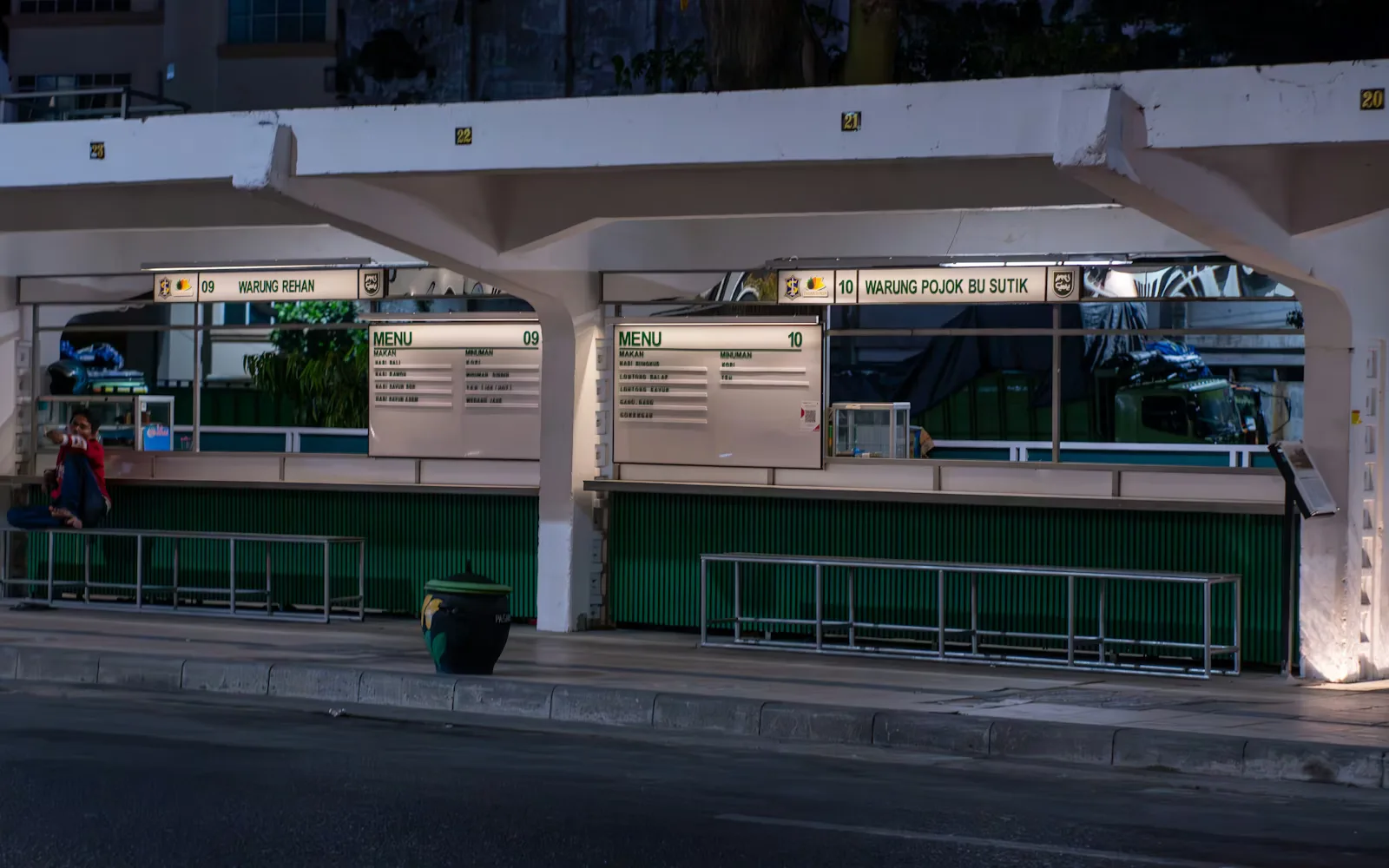
Event transport is where dispatch systems are stress-tested: demand spikes, passengers batch at choke points, and the cost of a bad decision is immediate (queue growth, missed windows, reputational damage).
If you want the technical context, read dispatch vs routing optimization, then tracking + telemetry system architecture, then IoT device management.
Staging is holding vehicles at controlled locations to meter supply.
Headway is time spacing between departures (e.g. every 3 minutes).
Service recovery is the set of actions to restore stable flow after a disruption.
Choke point is a location where throughput limits dominate (gates, curb space).
Why routing optimization often fails at events
Events are dominated by queues and capacity constraints, not shortest paths. The correct control problem is often: “maintain headway and prevent choke-point overload,” not “minimize distance.”
What dispatch needs at minimum
You need staging queues (vehicles with states like available, held, released, en_route). You need timeboxed release rules (headway targets, max wait). You need exception tags (blocked curb, police redirect, passenger surge). And you need comms channel discipline (one operator voice per zone).
A small delay can compound
If departures are irregular, the passenger queue oscillates: long waits lead to surges, load time increases, and then waits get even longer. Headway control is your stabilizer.
You can watch this happen in real time at an event exit. One late departure creates a visible gap. The next vehicle arrives to a heavier queue, takes longer to load, and leaves even later. Ten minutes later the operation feels “suddenly broken” even though it usually started with one small miss that nobody corrected early.
Roles and ownership beat better tools
When nobody owns the decisions, drivers and supervisors invent their own rules under pressure.
At a minimum, make these roles explicit (even if one person covers multiple hats):
Staging lead owns the supply queue and release rules (prevents self-dispatch).
Zone dispatcher owns assignments and recovery within a zone (prevents “nobody had it”).
Field runner owns the physical choke points (boarding, curb control, accessibility).
Ops lead owns escalation and service recovery calls (surge mode, re-route, pauses).
The tradeoffs under peak pressure
Headway-based release keeps service stable, but it depends on clear “ready to depart” signals and discipline.
Demand-based surge release clears spikes, but it can quietly starve other zones and create political fights if the rules aren’t explicit.
Fixed assignments are calm and predictable; dynamic reassignment improves utilization but can feel chaotic if comms and responsibility aren’t crystal clear.
Common mistakes that make the day harder
Treating staging as a “parking lot” instead of a controlled queue with release logic.
No standard reason codes for service disruptions (you can’t improve what you can’t categorize).
Letting drivers self-dispatch (“first come, first served”) during peak destroys headway.
Mixing too many comms channels (operators lose situational awareness). If you want to measure whether the operation is actually recovering, mobility ops metrics and KPIs can help you make those decisions less political.
Use headway control when:
You have repeated trips on the same corridor, and load time variability is high (wheelchairs, bag checks, venue crowding).
Avoid complex optimization when:
Your constraints are dominated by venue police instructions and curb capacity, or you can’t trust real-time locations or “ready” signals (fix device/telemetry first).
What to agree on before the event
Before showtime, align on:
Zones, choke points, and staging capacity limits. Headway targets per corridor and what “surge mode” changes.
A short set of disruption reasons everyone uses (curb blocked, reroute, incident, vehicle issue). One source of truth for vehicle state + assignment.
And who can broadcast to whom (radio discipline), plus the escalation path.
Event operations reward simple, explicit rules: control staging, maintain headway, and instrument disruptions. The best dispatch tech makes those rules easy to execute and auditable, not “more optimized on paper.”