
GPS tracker battery life planning that ops can trust
A practical way to estimate GPS tracker battery life from reporting behavior, and avoid surprises during rollouts.
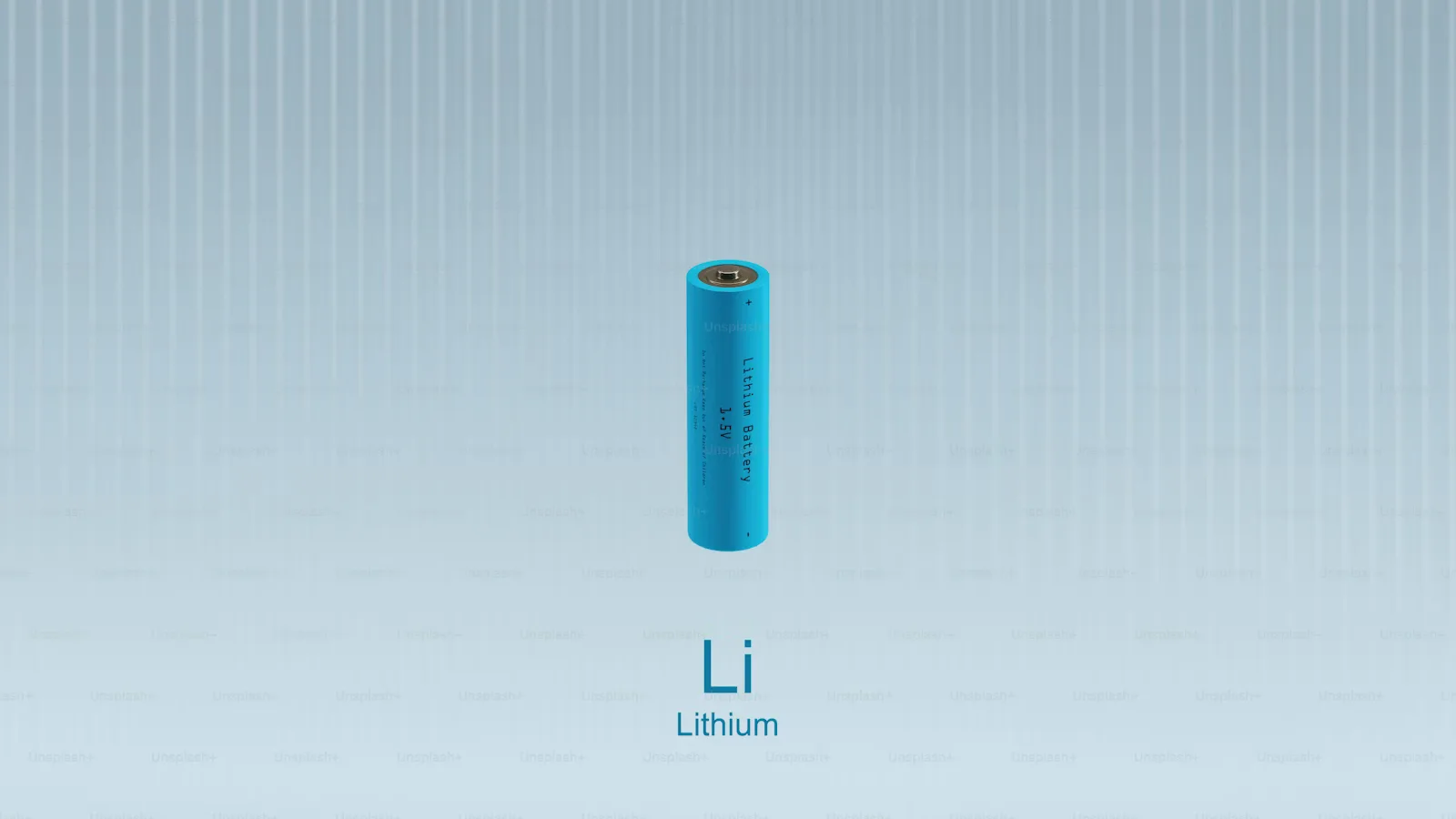
Battery life problems rarely show up in a lab. They show up three weeks into a rollout, when the support queue is full and your inventory model assumes devices will still be alive.
If you want battery estimates you can actually plan against, it helps to treat battery life like a budget. Each device has a baseline burn rate, and every report is a discrete spend. When you shorten the interval, you are not just adding more location points. You are multiplying the number of times the device has to wake GNSS, talk to the modem, and fight its way back onto a network.
That is why the question “what interval should we use” is really two questions. What is the minimum data product you need for operations, and what level of battery risk can you tolerate when coverage is imperfect and temperatures swing. If you are still deciding cadence, ideal IoT update intervals is the companion read.
Below is a simple estimator you can use to sanity check decisions before you lock in firmware defaults or procurement quantities.
If the embedded tool does not load, open it here: Tracker battery life estimator.
One simple way to use the estimator is to model the version of the rollout you hope for and the version you are afraid of. For example, a 5,000 mAh asset tracker on a 60 second moving interval may look perfectly healthy on a balanced device profile. Switch to a more conservative profile, or assume weaker coverage, and you can suddenly shave weeks off the plan. That is exactly the value of the exercise. It forces the procurement quantity, maintenance rhythm, and service promise to survive a bad week, not just a clean lab week.
In practice, you will see the biggest gaps between estimates and reality in three places. Weak cellular signal, marginal GPS conditions, and firmware that retries aggressively. If you are doing anything that looks like an event build or a temporary deployment, assume your “per report” cost is higher than normal. The device is doing more work to get a clean fix and a successful send.
If you want one habit that prevents most surprises, it is this: pick an interval, run the estimate, then rerun it with a conservative device profile. If the conservative answer breaks your plan, the plan was already fragile. The same logic shows up in high frequency telematics cost and in staged firmware rollouts: the operation gets expensive when you design only for the happy path.